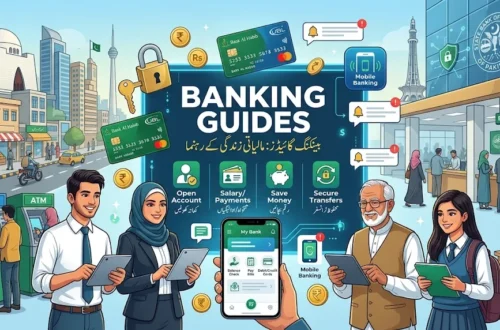









Introduction
Bank Accounts play an essential role in managing personal finances and achieving financial stability. Whether you receive a monthly salary, run a business, save money for future goals, or manage everyday expenses, having the right bank account can make financial management easier and more convenient.
A bank account provides a secure place to keep your money while allowing you to deposit funds, withdraw cash, transfer payments, and access various financial services. Modern banking has also made it possible to manage accounts through mobile applications and online banking platforms without visiting a physical branch.
However, not all bank accounts are the same. Different accounts offer different features, benefits, fees, interest rates, and withdrawal conditions. Understanding these differences can help you select an account that matches your financial needs.
In this guide, we will explore what bank accounts are, how they work, the different types available, their benefits, common fees, and practical tips for choosing and managing the right bank account.
What Is a Bank Account?
A bank account is a financial account provided by a bank or other authorized financial institution that allows individuals and businesses to deposit, store, withdraw, and manage money.
Customers can use bank accounts for everyday financial activities, including receiving salaries, paying bills, transferring funds, making purchases, and saving for future expenses.
Most banks provide account holders with access to different banking services, such as debit cards, online banking, mobile banking, automated teller machines (ATMs), and electronic fund transfers.
Depending on the account type, customers may also earn interest or receive other financial benefits.
A bank account helps organize personal finances by keeping money separate from everyday cash transactions and providing a record of financial activity.
How Do Bank Accounts Work?
Bank accounts operate through a relationship between the customer and the financial institution.
When you open an account, the bank creates a financial record associated with your identity. You can then deposit money and use the available balance according to the account’s terms and conditions.
Here is how a typical bank account works.
1. Opening an Account
The first step is selecting a bank and choosing an account type.
Depending on your country and the bank’s requirements, you may need to provide identification documents, proof of address, contact information, and other details.
Some banks also allow eligible customers to open accounts online.
2. Depositing Money
After opening your account, you can add money through different methods, including:
- Cash deposits at bank branches
- Salary transfers
- Electronic bank transfers
- Mobile banking deposits where supported
- Direct deposits from employers
- Eligible cheque deposits
Deposited funds are generally reflected in your available account balance after the applicable processing requirements are completed.
3. Withdrawing Money
Account holders can access their money through ATMs, bank branches, debit cards, and supported electronic payment services.
Withdrawal limits and fees may depend on the account type and banking provider.
4. Making Payments and Transfers
Bank accounts allow customers to pay bills, transfer money to other accounts, and make electronic purchases.
Many financial institutions provide mobile applications that make these transactions faster and easier.
5. Monitoring Account Activity
Banks provide account statements and transaction histories to help customers monitor their finances.
Regularly reviewing these records can help identify unexpected charges, incorrect transactions, and suspicious activity.
Different Types of Bank Accounts
Banks offer several types of accounts designed for different financial purposes. Understanding their features can help you choose the most appropriate option.
1. Checking Accounts
A checking account, also known as a current account in some countries, is designed for everyday financial transactions.
It allows customers to deposit money, withdraw cash, pay bills, and transfer funds regularly.
Common features include:
- Debit card access
- Online and mobile banking
- ATM withdrawals
- Electronic payments
- Direct deposits
- Bill payment services
Checking accounts are generally suitable for people who receive regular income and need frequent access to their money.
Some checking accounts offer no monthly maintenance fees, while others require minimum balances or charge service fees.
2. Savings Accounts
A savings account is designed to help individuals save money while earning interest when offered by the bank.
Unlike checking accounts, savings accounts are generally intended for storing money rather than handling frequent everyday transactions.
Common benefits include:
- Interest earnings
- Secure money storage
- Easy account monitoring
- Emergency savings
- Financial goal planning
Savings accounts can be useful for building an emergency fund, saving for education, planning vacations, or preparing for major purchases.
Interest rates and withdrawal conditions vary between banks and account products.
3. Money Market Accounts
Money market accounts combine certain features of checking and savings accounts.
Depending on the bank, they may offer competitive interest rates, debit card access, cheque-writing facilities, or other transaction features.
These accounts may require higher minimum balances than standard savings accounts.
They can be suitable for individuals who want to earn interest while maintaining access to their money.
However, customers should compare account fees, balance requirements, and withdrawal conditions before opening one.
4. Certificates of Deposit (CDs)
A certificate of deposit is a savings product that generally requires customers to deposit money for a fixed period.
In return, the bank offers an agreed interest rate or return according to the product terms.
CD terms can range from a few months to several years.
For example, a customer might deposit $5,000 into a one-year certificate of deposit with a fixed annual interest rate.
The money is generally expected to remain deposited until maturity. Early withdrawals may result in penalties.
CDs can be suitable for people who have savings they do not need immediate access to.
5. Business Bank Accounts
Business bank accounts are designed to help companies, freelancers, entrepreneurs, and other business owners manage professional finances.
They allow businesses to receive customer payments, pay suppliers, manage operational expenses, and maintain financial records.
Common features include:
- Business debit cards
- Multiple authorized users
- Electronic transfers
- Payment processing
- Business statements
- Accounting integrations
- Cash management services
Maintaining a separate business bank account can make bookkeeping easier and help distinguish personal transactions from business activities.
6. Joint Bank Accounts
A joint bank account is shared by two or more individuals.
It is commonly used by couples, family members, or business partners who need to manage shared expenses.
Depending on the account agreement, all account holders may have permission to deposit and withdraw funds.
Before opening a joint account, customers should understand ownership rights, withdrawal permissions, and responsibilities associated with the account.
7. Student Bank Accounts
Student bank accounts are designed for eligible students who need convenient access to banking services.
Some financial institutions offer reduced fees, low minimum balance requirements, debit cards, and digital banking facilities.
These accounts can help young adults develop responsible money management habits while studying.
Eligibility requirements and account benefits vary by bank.
8. Online Bank Accounts
Online bank accounts are provided by digital banks or traditional financial institutions offering account services through internet-based platforms.
Customers can usually access their accounts through mobile applications or websites.
Common services include digital transfers, balance monitoring, online bill payments, mobile deposits, and electronic statements.
Online accounts can provide convenience, although customers should check deposit protection, customer support availability, transaction limits, and security features.
Benefits of Having a Bank Account
Opening a bank account provides several advantages that can improve financial organization and everyday money management.
1. Secure Money Storage
Keeping money in an account can be safer than storing large amounts of cash at home.
Eligible deposits may also receive protection through government-backed or other authorized deposit insurance arrangements, depending on the country, institution, and applicable limits.
Always confirm whether your financial institution and account are covered.
2. Convenient Money Transfers
Bank accounts allow customers to transfer money between individuals, businesses, and financial institutions.
Electronic transfers can reduce the need to visit bank branches or carry physical cash.
3. Easy Salary Management
Employees can receive their salaries directly into their bank accounts.
Direct deposits make it easier to organize monthly income, pay bills, and manage savings.
4. Online and Mobile Banking
Modern banking platforms allow customers to check balances, review transactions, transfer money, and pay bills through smartphones and computers.
These services save time and provide convenient access to financial information.
5. Financial Planning
Bank accounts help individuals organize money according to different financial goals.
For example, you can use a checking account for daily expenses and a savings account for emergency funds or long-term goals.
6. Access to Additional Financial Services
Having a bank account may make it easier to access other financial products, such as loans, credit cards, fixed-term deposits, and investment services.
Approval for these products depends on individual eligibility and the institution’s requirements.
How to Choose the Right Bank Account
Selecting the right bank account requires understanding your financial needs and comparing different banking options.
Consider these important factors before making a decision.
1. Identify Your Financial Needs
Start by deciding why you need a bank account.
If you mainly want to receive income and make everyday payments, a checking account may be appropriate.
If your primary goal is saving money and earning interest, consider a savings account.
Business owners should explore accounts designed for commercial transactions.
2. Compare Banking Fees
Some banks charge monthly maintenance fees, ATM fees, overdraft fees, transfer charges, and other service costs.
Compare the fee structures of different accounts before opening one.
A low-cost account can help you avoid unnecessary banking expenses.
3. Check Minimum Balance Requirements
Certain accounts require customers to maintain a minimum balance.
If your balance falls below the required amount, the bank may charge a fee or restrict certain benefits.
Choose an account with requirements you can comfortably maintain.
4. Review Interest Rates
If you are opening a savings account or fixed-term deposit, compare the interest rates offered by different institutions.
Also review how interest is calculated, when it is paid, and whether the rate is variable or fixed.
5. Evaluate Digital Banking Services
A good mobile banking application can make everyday financial management easier.
Look for features such as instant transaction notifications, secure login, digital transfers, account statements, and bill payment facilities.
6. Consider ATM and Branch Access
If you frequently withdraw cash or need in-person assistance, check the availability of nearby branches and ATMs.
If you mainly use digital banking, mobile application quality and online customer support may be more important.
7. Check Customer Support
Reliable customer support is important when dealing with unauthorized transactions, account restrictions, technical problems, or payment disputes.
Review the bank’s available support channels and operating hours.
Common Bank Account Fees You Should Know
Banking services may involve different charges depending on the account and provider.
Understanding these fees can help you avoid unexpected expenses.
Monthly Maintenance Fees: Some accounts charge a regular fee for maintaining the account.
ATM Fees: Using an ATM outside your bank’s supported network may result in additional charges.
Overdraft Fees: Some checking accounts allow transactions that exceed the available balance, potentially creating fees and interest charges.
Wire Transfer Fees: Certain domestic and international transfers may involve processing charges.
Minimum Balance Fees: Some accounts charge penalties when the required minimum balance is not maintained.
Foreign Transaction Fees: International card payments or currency conversions may involve additional costs.
Always review the bank’s official fee schedule before opening an account.
Online Banking vs. Traditional Banking
Both online and traditional banking provide access to financial services, but their methods of operation differ.
| Feature | Online Banking | Traditional Banking |
|---|---|---|
| Account access | Website or mobile app | Branches and digital platforms |
| Availability | Often 24/7 digital access | Depends on branch hours |
| Cash deposits | May have limited options | Usually available at branches |
| Customer support | Digital and phone support | In-person and other channels |
| Convenience | High for digital transactions | Useful for in-person services |
| Branch access | May not be available | Physical locations |
Many traditional banks now combine digital services with physical branches, giving customers access to both options.
Tips for Managing Your Bank Account Effectively
Opening a bank account is only the first step. Managing it responsibly is equally important.
Here are practical habits that can help you maintain better financial control.
1. Monitor Your Balance Regularly
Check your account balance frequently to understand how much money is available.
Regular monitoring can help prevent declined transactions and unexpected overdrafts.
2. Review Monthly Statements
Read your bank statements carefully and confirm that transactions are accurate.
Report unfamiliar charges or suspicious activity immediately.
3. Create a Monthly Budget
Divide your income into categories such as housing, groceries, transportation, savings, and other expenses.
A monthly budget can help you avoid overspending and improve your financial planning.
4. Set Up Automatic Payments Carefully
Automatic payments can help you avoid missing bill deadlines.
However, ensure that sufficient funds are available before scheduled deductions.
5. Maintain Emergency Savings
Try to build a separate emergency fund for unexpected expenses.
Keeping emergency savings in an accessible savings account can help you avoid relying on expensive borrowing.
6. Protect Your Banking Information
Never share your PIN, password, or one-time verification codes with anyone.
Use strong passwords, enable multifactor authentication where available, and avoid logging into banking applications through suspicious links.
7. Avoid Unnecessary Banking Charges
Understand your account’s fee structure and use supported ATMs, payment methods, and transfer options whenever possible.
How to Open a Bank Account
Opening a bank account is generally a straightforward process, although requirements vary by country and financial institution.
Follow these common steps:
- Research different banks and compare their account options.
- Select an account that matches your financial needs.
- Review fees, minimum balance requirements, and account conditions.
- Prepare the required identification and supporting documents.
- Complete the application online or at a branch.
- Complete any identity verification required by the bank.
- Deposit the initial amount if required.
- Activate your debit card and online banking services.
Once your account is active, you can begin depositing money and using the available banking services.
Conclusion
Bank accounts are essential tools for managing everyday finances, protecting money, receiving income, and planning future financial goals.
Different account types serve different purposes. Checking accounts are useful for everyday transactions, savings accounts help individuals build financial reserves, and business accounts support professional financial management.
Before opening an account, compare banking fees, minimum balance requirements, interest rates, digital services, and customer support options.
After opening an account, monitor transactions regularly, protect your banking information, and develop responsible money management habits.
Choosing the right bank account can make financial management more convenient and help you build a stronger foundation for long-term financial stability.
Frequently Asked Questions (FAQs)
1. What is a bank account?
A bank account is a financial account that allows individuals or businesses to deposit, store, withdraw, and manage money through a financial institution.
2. What are the main types of bank accounts?
Common types include checking accounts, savings accounts, money market accounts, certificates of deposit, business accounts, joint accounts, and student accounts.
3. Which bank account is best for everyday use?
A checking or current account is generally suitable for everyday transactions, including receiving income, paying bills, and making purchases.
4. What is the difference between a checking and savings account?
A checking account is designed for frequent transactions, while a savings account is mainly intended for storing money and potentially earning interest.
5. Can I open a bank account online?
Yes. Many banks allow eligible customers to open accounts online by completing an application and providing the required identity documents.
6. Do bank accounts charge monthly fees?
Some accounts charge monthly maintenance fees, while others offer fee-free banking if specific conditions are met.
7. How much money do I need to open a bank account?
The required opening deposit varies by bank and account type. Some accounts have no minimum opening deposit.
8. Is keeping money in a bank account safe?
Eligible deposits at covered financial institutions may receive protection through deposit insurance systems. Coverage depends on local regulations and applicable limits.
9. Can I have multiple bank accounts?
Yes. You can maintain multiple accounts for different purposes, such as everyday spending, emergency savings, and business transactions.
10. What is online banking?
Online banking allows customers to manage financial accounts through a bank’s website or mobile application without visiting a physical branch.