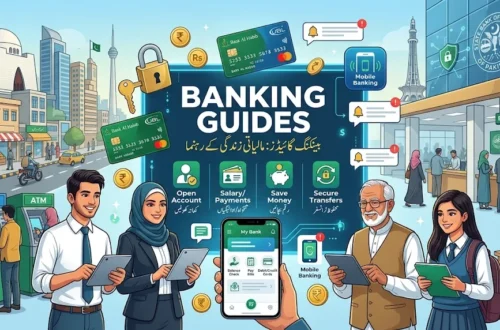








Introduction
Banking & Credit the right bank account is an important step toward managing your personal finances effectively. Whether you receive a monthly salary, operate a small business, save for future goals, or simply need a convenient way to manage everyday transactions, having the right banking account can make a significant difference.
However, with so many banks, account types, fees, and financial services available, selecting the best option can sometimes feel confusing. Different bank accounts offer different features, and not every account is suitable for every financial situation.
Understanding how to choose the right bank account can help you avoid unnecessary fees, manage your money more efficiently, and access banking services that match your lifestyle.
Some accounts are designed for everyday spending, while others focus on saving money and earning interest. Certain banks offer convenient mobile banking applications, ATM access, international transactions, and additional financial services.
Before opening an account, it is important to compare these features and understand their benefits and limitations.
In this guide, we will explore different types of bank accounts, explain important factors to consider, discuss common banking fees, and provide practical tips to help you make an informed financial decision.
1. Understand Your Banking Needs
The first step in selecting a bank account is identifying why you need one.
Different people have different financial requirements. A student may need an account with low maintenance fees, while a salaried employee may prioritize direct deposit and convenient bill payments.
Similarly, a business owner may require an account that supports regular transfers, customer payments, and financial recordkeeping.
Start by considering how you plan to use your bank account.
Ask yourself the following questions:
- Do I need an account for everyday transactions?
- Do I want to save money for future expenses?
- Will I receive a monthly salary or regular payments?
- Do I frequently transfer money to other accounts?
- Do I need access to international transactions?
- Will I use mobile and online banking regularly?
- Do I need an account for business purposes?
Understanding your financial needs makes it easier to compare account options.
Instead of choosing a bank simply because it is popular, focus on the services that provide the most value for your situation.
2. Learn About Different Types of Bank Accounts
Banks offer several types of accounts, each designed for specific financial purposes.
Understanding the differences can help you select an account that supports your financial goals.
Checking Accounts
Checking accounts, sometimes called current accounts, are primarily designed for everyday financial transactions.
They allow customers to deposit money, withdraw cash, pay bills, transfer funds, and receive payments.
Common features include:
- Debit card access.
- ATM withdrawals.
- Online and mobile banking.
- Direct deposits.
- Electronic fund transfers.
- Bill payment services.
Checking accounts are generally suitable for people who frequently use their money for daily expenses.
However, some accounts charge monthly maintenance fees or require minimum balances.
Savings Accounts
Savings accounts are designed to help customers store money while potentially earning interest.
Unlike checking accounts, savings accounts are generally intended for money that you do not need to spend immediately.
Common features include:
- Interest earnings.
- Secure savings storage.
- Online balance monitoring.
- Automatic savings transfers.
- Access to funds when needed, subject to account terms.
Savings accounts can be useful for emergency funds, short-term financial goals, and general savings.
Before opening one, compare interest rates, withdrawal conditions, minimum balance requirements, and service fees.
Money Market Accounts
Money market accounts combine certain features of checking and savings accounts.
Depending on the bank and account terms, they may offer competitive interest rates and limited transaction capabilities.
Some accounts require higher minimum balances than standard savings accounts.
They may be suitable for people who want to earn interest while maintaining access to their funds.
Certificate of Deposit (CD) Accounts
Certificates of deposit are savings products that require customers to deposit money for a specific period.
In return, the bank generally offers a fixed interest rate for the agreed term.
CD terms can range from several months to multiple years.
They may be useful for people who have money they do not expect to need immediately.
However, withdrawing money before maturity may result in an early withdrawal penalty.
Always review the terms before committing your savings.
3. Compare Banking Fees and Charges
Banking fees are an important factor when choosing an account.
Some accounts advertise attractive features but include charges that can gradually reduce your available balance.
Before opening an account, review the complete fee schedule.
Important charges to investigate include:
Monthly Maintenance Fees
Some banks charge customers a monthly fee for maintaining an account.
However, certain accounts waive this fee when customers meet specific requirements, such as maintaining a minimum balance or receiving qualifying direct deposits.
ATM Withdrawal Fees
Banks may charge fees when customers withdraw money from ATMs outside their banking network.
If you frequently use cash, choose a bank with convenient and affordable ATM access.
Overdraft Fees
An overdraft occurs when a transaction exceeds the available account balance or available overdraft limit.
Some banks charge fees for overdraft transactions or insufficient funds.
Review the bank’s overdraft policies and available account protections.
International Transaction Fees
International purchases, foreign currency withdrawals, and overseas transfers may involve additional charges.
If you travel frequently or shop from international websites, compare foreign transaction fees and currency conversion rates.
Transfer and Account Closure Fees
Certain banks may charge fees for specific transfers, account services, or early account closure.
Understanding these charges can help you avoid unexpected expenses.
Practical Tip: Do not compare bank accounts based only on their advertised interest rates. Consider the total cost of maintaining and using the account.
4. Check Interest Rates and Savings Benefits
If your primary goal is saving money, the interest rate offered by a bank should be an important consideration.
Savings account interest rates determine how much you can earn on your deposited money.
For example, suppose you deposit $5,000 into a savings account with a hypothetical annual interest rate of 3%.
If the rate remains unchanged and interest is calculated annually, you could earn approximately $150 in interest over one year before taxes and any applicable fees.
However, the actual return depends on the account’s interest calculation method, compounding frequency, balance requirements, and applicable charges.
When comparing savings accounts, consider:
- Annual interest rate.
- Annual Percentage Yield (APY), where applicable.
- Interest compounding frequency.
- Minimum balance requirements.
- Withdrawal restrictions.
- Promotional rate conditions.
- Account maintenance fees.
An account offering a higher interest rate may not always be the best option if it includes expensive fees or restrictive conditions.
Look at the overall value rather than focusing on a single feature.
5. Evaluate Online and Mobile Banking Features
Digital banking has become an important part of modern financial management.
Many banks now provide mobile applications and online platforms that allow customers to manage their accounts without visiting a physical branch.
Before opening an account, evaluate the bank’s digital services.
Useful mobile banking features include:
- Checking account balances.
- Reviewing transaction history.
- Transferring money.
- Paying utility bills.
- Receiving transaction notifications.
- Managing debit cards.
- Downloading account statements.
- Setting up automatic payments.
A good mobile banking application should be easy to navigate, reliable, and secure.
Check whether the bank offers additional security features such as biometric login, multi-factor authentication, transaction alerts, and card-locking options.
You should also review customer feedback about the bank’s digital services.
Convenient mobile banking can save time and make it easier to monitor your finances regularly.
6. Consider ATM Access and Branch Locations
Although digital banking is convenient, physical banking services are still important for many customers.
Some financial activities may require visiting a branch, speaking with bank representatives, or depositing cash.
Before selecting a bank, consider how accessible its branches and ATMs are.
Important factors include:
- Distance from your home or workplace.
- Availability of nearby ATMs.
- Branch operating hours.
- Cash deposit facilities.
- Customer service availability.
- Weekend banking services.
- Accessibility during emergencies.
If you travel regularly, consider whether the bank has a wide ATM network or partnerships that provide convenient access in different locations.
Choosing a bank with accessible services can make everyday financial activities easier.
7. Review Bank Security and Deposit Protection
Security should always be a priority when choosing a financial institution.
Your bank should have reliable systems for protecting customer information, preventing unauthorized transactions, and monitoring suspicious account activity.
Before opening an account, research the institution’s security policies.
Look for features such as:
Multi-Factor Authentication
Multi-factor authentication adds an additional verification step when accessing an account.
For example, customers may need to enter a password and confirm their identity through a separate verification method.
Transaction Notifications
SMS and application notifications can alert you when money enters or leaves your account.
These alerts make it easier to identify unfamiliar transactions.
Debit Card Protection
Some banking applications allow customers to temporarily lock their debit cards, report lost cards, and manage transaction permissions.
Deposit Insurance or Protection
Depending on your country, eligible bank deposits may be protected by a government-backed deposit insurance system.
Before depositing significant amounts, understand the applicable coverage limits, eligibility conditions, and participating institutions.
For example, customers in the United States may review information from the Federal Deposit Insurance Corporation (FDIC), while customers in other countries should check their local deposit protection authority.
Never assume that every financial institution or account product receives the same protection.
8. Compare Customer Service and Bank Reputation
A bank’s customer service can significantly influence your overall banking experience.
Even if an account offers attractive fees and interest rates, poor customer support can become frustrating when you encounter problems.
Research the bank’s reputation before making a decision.
Consider the following:
- Customer reviews and complaints.
- Availability of phone support.
- Live chat services.
- Email support.
- Branch assistance.
- Response times.
- Dispute resolution procedures.
You should also check whether the bank provides support outside standard business hours.
Reliable customer service is especially important when dealing with unauthorized transactions, lost cards, account access problems, or payment delays.
Choose an institution that provides clear communication and accessible assistance.
9. Understand Minimum Balance Requirements
Some bank accounts require customers to maintain a minimum balance.
If the balance falls below the required amount, the bank may charge a maintenance fee or apply other account restrictions.
For example, a savings account might require a minimum balance of $500 to qualify for a particular interest rate.
Before opening an account, check:
- Minimum opening deposit.
- Required monthly balance.
- Minimum balance for interest eligibility.
- Fees for falling below the requirement.
- Conditions for waiving maintenance fees.
If your income changes regularly or you have limited savings, a low-minimum or no-minimum account may be more practical.
Avoid choosing an account that forces you to keep money unavailable for your everyday financial needs.
10. Choose a Bank That Supports Your Future Financial Goals
Your banking needs may change as your financial situation develops.
You might begin with a basic checking account and later require savings products, credit cards, personal loans, or investment services.
Choosing a bank with a suitable range of financial products can make it easier to manage different financial responsibilities.
Some useful additional services include:
- Personal savings plans.
- Credit card services.
- Personal and business loans.
- Mortgage services.
- Retirement savings products.
- International money transfers.
- Business banking facilities.
However, you should not purchase unnecessary financial products simply because your bank offers them.
Compare each service independently and understand its costs, conditions, and benefits.
The best banking relationship is one that supports your financial needs without encouraging unnecessary borrowing or spending.
11. Common Mistakes to Avoid When Choosing a Bank Account
Many people select bank accounts without carefully reviewing the terms and conditions.
Avoiding these common mistakes can help you make a better decision.
Choosing a Bank Only Because It Is Popular
A well-known bank is not automatically the best choice for your financial needs.
Compare fees, services, accessibility, and account features.
Ignoring Monthly Fees
Small monthly charges can become expensive over time.
Always check whether maintenance fees apply and what conditions can eliminate them.
Overlooking Withdrawal Restrictions
Some savings products limit withdrawals or charge penalties for early access.
Make sure the account allows sufficient flexibility for your needs.
Not Checking Digital Banking Services
An outdated or unreliable mobile banking platform can make account management difficult.
Review the application’s functionality before choosing an institution.
Failing to Read Account Terms
Minimum balances, transaction limits, interest conditions, and additional charges should be understood before signing up.
Sharing Banking Information
Never share passwords, PINs, or one-time verification codes with anyone claiming to represent your bank.
Use official banking channels and report suspicious activity immediately.
12. How to Compare Bank Accounts Before Opening One
Creating a comparison checklist can help you evaluate different banks objectively.
Instead of making a decision based on advertisements, compare the features that matter most to you.
Here is a simple example:
| Banking Feature | Bank A | Bank B | Bank C |
|---|---|---|---|
| Monthly Maintenance Fee | $0 | $10 | $5 |
| Minimum Balance | $0 | $500 | $100 |
| Mobile Banking | Yes | Yes | Yes |
| ATM Access | Wide Network | Limited | Wide Network |
| Savings Interest | Variable | Variable | Variable |
| International Transfers | Available | Available | Limited |
| Customer Support | 24/7 | Business Hours | 24/7 |
This is an illustrative comparison, not actual banking information.
Use the same checklist to compare real account terms from different financial institutions.
Pay particular attention to the features you will use regularly.
A low-fee account with excellent digital services may be more suitable than an account with additional benefits you rarely need.
13. Steps to Open the Right Bank Account
Once you have selected a suitable bank, the account opening process is generally straightforward.
Although requirements vary by country and financial institution, the following steps are commonly involved.
Step 1: Research Banking Options
Compare different banks and account types based on fees, services, security, and accessibility.
Step 2: Review Eligibility Requirements
Check age restrictions, residency requirements, identification documents, and other account-opening conditions.
Step 3: Prepare Required Documents
Banks may request identification, proof of address, tax information, or income-related documents, depending on the account type and local regulations.
Step 4: Complete the Application
Apply through the bank’s official website, mobile application, or physical branch.
Step 5: Make the Initial Deposit
If the account requires an opening deposit, transfer or deposit the required amount.
Step 6: Activate Banking Services
Set up online banking, mobile access, debit cards, transaction alerts, and other available services.
Step 7: Review Your Account Regularly
Monitor your transactions, review monthly statements, and check for unexpected charges.
Following these steps can help you open and manage a bank account more confidently.
Conclusion
Understanding how to choose the right bank account is an important part of managing your personal finances.
The right account should match your financial goals, spending habits, savings requirements, and everyday banking needs.
Start by identifying why you need an account and comparing available options such as checking accounts, savings accounts, money market accounts, and certificates of deposit.
Pay attention to monthly fees, interest rates, minimum balance requirements, digital banking features, security, ATM access, and customer service.
Most importantly, take time to review the account’s terms and conditions before making a decision.
A suitable bank account can make everyday financial management easier, help you build consistent savings habits, and provide a stronger foundation for your future financial goals.
Remember that the best bank account is not necessarily the one with the most features. It is the one that provides the services you need at a reasonable cost while supporting your financial priorities.
Frequently Asked Questions (FAQs)
1. How do I choose the right bank account?
Start by identifying your financial needs and comparing account types, fees, interest rates, minimum balance requirements, security features, and digital banking services.
2. What is the difference between a checking account and a savings account?
A checking account is designed for everyday transactions such as payments, withdrawals, and transfers. A savings account is primarily intended for storing money and potentially earning interest.
3. Which bank account is best for everyday use?
A checking or current account is generally suitable for everyday banking because it provides convenient access to deposits, withdrawals, debit cards, and payments.
4. What should I look for in a savings account?
Compare interest rates, minimum balance requirements, withdrawal conditions, maintenance fees, and deposit protection.
5. Are online bank accounts safe?
Online bank accounts can be safe when offered by legitimate, properly regulated financial institutions with appropriate security systems. Use strong passwords, multi-factor authentication, and transaction notifications.
6. Can I have more than one bank account?
Yes. Many people maintain separate accounts for everyday spending, emergency savings, and specific financial goals. This can make money management easier.
7. Do all banks charge monthly maintenance fees?
No. Some banks offer accounts without monthly maintenance fees, while others waive charges when customers meet specific balance or deposit requirements.
8. How much money do I need to open a bank account?
The required opening deposit depends on the bank and account type. Some accounts have no minimum opening deposit, while others require an initial amount.
9. Is a high-interest savings account worth it?
A high-interest savings account may help your money grow faster than an account offering a lower rate. However, compare fees, access restrictions, and eligibility conditions before choosing one.
10. Can I switch my bank account if I am unhappy with my current bank?
Yes. You can generally open an account with another institution and transfer your money after arranging outstanding payments and updating salary deposits, subscriptions, and automatic transfers. Check any account closure requirements before switching.