





Introduction
Debt management is an important part of personal financial planning. Many people use loans, credit cards, and other borrowing options to manage expenses or achieve financial goals. However, when debt becomes difficult to control, it can create financial stress and affect everyday life.
Proper debt management helps individuals organize their payments, reduce outstanding balances, control borrowing, and improve their financial situation. In this guide, we will explain what debt management is, its importance, different repayment strategies, and practical ways to manage debt responsibly.
What Is Debt Management?
Debt management is the process of organizing, controlling, and repaying borrowed money. It involves understanding your outstanding debts, planning monthly payments, managing interest costs, and avoiding unnecessary borrowing.
A good debt management plan helps you understand how much you owe, when payments are due, and how much money you can afford to repay.
Types of Debt
Understanding different types of debt can help you manage your financial responsibilities more effectively.
1. Credit Card Debt
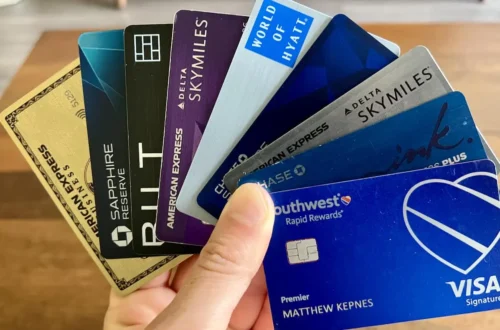
Credit card debt occurs when you borrow money through a credit card and do not repay the full outstanding balance. Interest and other charges may increase the amount you owe.
2. Personal Loan Debt
Personal loan debt refers to money borrowed from a bank or financial institution for personal expenses. These loans usually have an agreed repayment schedule.
3. Mortgage Debt
Mortgage debt is money borrowed to purchase or finance property. The property generally serves as collateral for the loan.
4. Student Loan Debt
Student loan debt is borrowed money used to pay for education-related expenses. Repayment conditions depend on the lender and loan agreement.
5. Auto Loan Debt
Auto loan debt is money borrowed to purchase a vehicle. The vehicle may serve as collateral until the loan is repaid.
6. Business Debt
Business debt refers to money borrowed by a company to support operations, purchase equipment, manage expenses, or expand its activities.
Importance of Debt Management
Managing debt properly offers several financial benefits:
- Better Financial Control: Helps you understand your total debt and monthly payment responsibilities.
- Reduced Interest Costs: Suitable repayment strategies may help reduce the amount of interest paid over time.
- Improved Budgeting: Makes it easier to organize income and expenses.
- Less Financial Stress: A clear repayment plan can make debt easier to manage.
- Responsible Borrowing: Encourages careful decisions before taking new loans.
- Financial Stability: Helps you work toward long-term financial goals.
How to Create a Debt Management Plan
A debt management plan helps you organize your repayments and manage outstanding balances.
Follow these steps:
Step 1: Calculate Your Total Debt
Make a list of all your debts, including credit cards, personal loans, mortgages, and other borrowing.
Record the following information:
- Name of the lender.
- Outstanding balance.
- Interest rate.
- Minimum monthly payment.
- Payment due date.
- Any additional fees or charges.
Step 2: Create a Monthly Budget
Calculate your monthly income and necessary expenses. Identify how much money remains available for debt repayment after covering essential costs.
Step 3: Prioritize Your Debts
Decide which debt you want to pay off first. Consider interest rates, outstanding balances, and the consequences of missed payments.
Step 4: Make Payments on Time
Pay at least the required minimum amount on every debt according to the agreement. Set reminders or automatic payments when appropriate.
Step 5: Reduce Unnecessary Expenses
Review your spending and identify expenses that can be reduced. Use the money saved to support your repayment plan.
Step 6: Monitor Your Progress
Review your outstanding balances every month. Update your budget and repayment strategy when your income or expenses change.
Popular Debt Repayment Strategies
There are several methods for reducing outstanding debt. Choose an approach that matches your financial situation.
1. Debt Snowball Method
The debt snowball method focuses on paying off the smallest debt first.
How it works:
- List all debts from the smallest balance to the largest.
- Make the minimum required payment on every debt.
- Put extra available money toward the smallest balance.
- Once that debt is paid off, move to the next smallest balance.
- Continue until all debts are repaid.
Benefit: Paying off smaller debts first can provide motivation and a sense of progress.
2. Debt Avalanche Method
The debt avalanche method focuses on paying off the debt with the highest interest rate first.
How it works:
- List all debts according to their interest rates.
- Make minimum payments on all debts.
- Put extra available money toward the debt with the highest interest rate.
- After clearing it, move to the next highest-interest debt.
- Continue until all balances are paid.
Benefit: This method can reduce total interest costs when payments and other conditions remain comparable.
3. Debt Consolidation
Debt consolidation combines multiple debts into one new loan or credit arrangement.
It may simplify repayment by providing one payment instead of several. However, compare interest rates, fees, repayment periods, collateral requirements, and total borrowing costs before choosing consolidation.
4. Debt Management Plans
A debt management plan is an arrangement designed to help individuals repay eligible debts through an organized payment schedule. In some countries, nonprofit credit counseling organizations may help negotiate payment arrangements with creditors.
Before enrolling, understand all fees, terms, and possible effects on your credit record.
Debt Snowball vs. Debt Avalanche
| Debt Snowball | Debt Avalanche |
|---|---|
| Focuses on the smallest balance first | Focuses on the highest interest rate first |
| Provides quicker small victories | May reduce total interest costs |
| Can improve motivation | Focuses on repayment efficiency |
| Suitable for people who prefer visible progress | Suitable for people focused on reducing interest |
Tips for Reducing Debt Faster
Consider these practical tips to improve your repayment progress:
- Create a realistic monthly budget.
- Avoid unnecessary credit card purchases.
- Pay more than the minimum when affordable.
- Use extra income to reduce outstanding balances.
- Review interest rates and additional charges.
- Avoid taking new loans without a clear repayment plan.
- Contact lenders early if you expect difficulty making payments.
- Build emergency savings to reduce reliance on borrowing.
Common Debt Management Mistakes
Avoid these common mistakes when managing debt:
- Ignoring outstanding balances.
- Missing monthly payment deadlines.
- Borrowing money to cover unnecessary expenses.
- Making only minimum payments without understanding interest costs.
- Not preparing a monthly budget.
- Taking new loans without comparing repayment conditions.
- Ignoring lender communication.
- Choosing debt consolidation without checking fees and total costs.
When Should You Seek Professional Debt Help?
Sometimes debt becomes difficult to manage without additional support. Consider seeking help from a qualified financial counselor or reputable debt advice organization if:
- You cannot afford your required monthly payments.
- Your debts continue increasing.
- You receive repeated collection notices.
- You are borrowing money to repay other debts.
- You are struggling to cover essential living expenses.
- You are unsure which repayment option is suitable.
A qualified professional can help you understand your options and evaluate possible repayment arrangements.
Benefits of Good Debt Management
Effective debt management can help you:
- Reduce outstanding debt over time.
- Organize monthly payments.
- Understand borrowing costs.
- Improve budgeting habits.
- Avoid unnecessary financial pressure.
- Develop responsible credit habits.
- Work toward savings and financial goals.
Conclusion
Debt management is an important financial skill that helps individuals control borrowing, organize payments, and work toward becoming debt-free. By creating a realistic budget, choosing a suitable repayment strategy, and avoiding unnecessary borrowing, you can gradually improve your financial position.
Whether you choose the debt snowball method, debt avalanche method, or another suitable repayment arrangement, consistency and careful financial planning are essential. Start by understanding your current debts and taking small, practical steps toward better financial management.