







Saving money is an important part of managing personal finances and achieving financial stability. It helps you prepare for unexpected expenses, reach future goals, reduce financial stress, and build a secure future. Whether you want to save for education, a home, travel, retirement, or emergencies, developing good saving habits can make a meaningful difference.
In this guide, we will explain what saving money means, why it matters, different saving methods, and practical tips to help you manage your money more effectively.
What Is Saving Money?
Saving money means keeping a portion of your income instead of spending all of it. The money you save can be used for future needs, emergencies, planned purchases, or long-term financial goals.
You can save money by putting it into a bank savings account, keeping a separate savings fund, or using other suitable savings options.
The main purpose of saving is to prepare for future expenses while maintaining control over your daily spending.
Why Is Saving Money Important?
Saving money can improve your financial situation in several ways.
1. Emergency Protection
Savings can help cover unexpected expenses such as medical bills, car repairs, home repairs, or temporary loss of income.
2. Financial Security
Having savings gives you more financial flexibility and can reduce the need to borrow money when unexpected costs arise.
3. Achieving Financial Goals
You can save for important goals such as buying a house, purchasing a car, paying for education, or planning a holiday.
4. Reducing Financial Stress
Having money set aside can provide peace of mind and make it easier to handle unexpected financial challenges.
5. Preparing for Retirement
Regular saving can help you build funds for your future needs and support your retirement plans.
Different Ways to Save Money
There are several methods you can use to develop a regular saving habit.
1. Savings Account
A savings account allows you to deposit money and keep it separate from your everyday spending. Depending on the bank and account terms, it may also provide interest or profit.
2. Emergency Fund
An emergency fund is money reserved for unexpected expenses. Many financial guides suggest gradually building enough savings to cover three to six months of essential living expenses, although the right amount depends on your circumstances.
3. Automatic Savings
You can arrange an automatic transfer from your main account to a separate savings account whenever you receive your income.
4. Goal-Based Savings
Set aside money for specific goals, such as education, a new vehicle, home improvements, or travel. Keeping each goal clear can help you stay motivated.
5. Short-Term and Long-Term Savings
Short-term savings are intended for expenses you expect in the near future. Long-term savings are designed for goals that may take several years to achieve.
Practical Tips to Save Money
You do not need a high income to start saving. Small and consistent steps can help you develop better financial habits.
1. Create a Monthly Budget
Prepare a monthly budget that includes your income, essential expenses, debt payments, and savings. This helps you understand where your money goes.
2. Save Before Spending
Try setting aside a planned amount as soon as you receive your income. This approach is often called paying yourself first.
3. Reduce Unnecessary Expenses
Review your daily spending and identify expenses you can reduce, such as unused subscriptions, frequent takeaways, or unnecessary shopping.
4. Compare Prices Before Buying
Compare prices, product quality, and available options before making purchases. This can help you avoid spending more than necessary.
5. Set Realistic Saving Goals
Start with a small amount that fits your income and expenses. Increase your savings gradually as your financial situation improves.
6. Avoid Impulse Buying
Before purchasing something that is not essential, take time to consider whether you really need it.
7. Track Your Spending
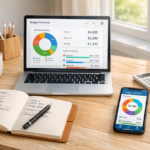
Use a notebook, spreadsheet, or budgeting application to record your expenses and monitor your progress.
The 50/30/20 Budgeting Rule
The 50/30/20 rule is a simple budgeting method that divides your after-tax income into three categories:
- 50% for Needs: Essential expenses such as housing, food, transportation, and utilities.
- 30% for Wants: Non-essential spending such as entertainment, shopping, and dining out.
- 20% for Savings and Debt Repayment: Money for savings goals and additional debt payments.
For example, if your monthly after-tax income is $2,000, the suggested allocation would be:
| Category | Percentage | Amount |
|---|---|---|
| Needs | 50% | $1,000 |
| Wants | 30% | $600 |
| Savings and Debt Repayment | 20% | $400 |
This is a general budgeting guideline, not a strict rule. You can adjust the percentages according to your income, living costs, and financial responsibilities.
Common Money-Saving Mistakes to Avoid
Some habits can make it difficult to achieve your saving goals.
- Spending all your income without planning.
- Setting unrealistic saving targets.
- Ignoring small daily expenses.
- Using savings for unnecessary purchases.
- Not preparing for emergencies.
- Depending too much on credit cards or loans.
- Failing to review your monthly budget.
Avoiding these mistakes can help you build a more consistent saving routine.
How to Build an Emergency Fund
An emergency fund is an important part of financial planning. It provides money for unexpected situations without requiring you to depend entirely on loans or credit cards.
Follow these steps to start building one:
- Calculate your essential monthly expenses.
- Set an initial savings target.
- Open a separate account or create a dedicated savings fund.
- Deposit a manageable amount regularly.
- Avoid using the fund for non-emergency purchases.
- Rebuild it after withdrawing money when necessary.
Start with a small target if saving several months of expenses seems difficult. You can increase the amount over time.
Saving Money vs. Investing
Saving and investing are both useful financial activities, but they serve different purposes.
| Saving Money | Investing |
|---|---|
| Focuses on keeping money available. | Focuses on growing money over time. |
| Usually involves lower risk when using suitable deposit accounts. | Involves different levels of financial risk. |
| Often suitable for emergencies and short-term goals. | Often considered for longer-term goals. |
| Returns may be limited. | Returns are uncertain and can be higher or lower. |
Savings can provide financial stability, while investing may help you pursue long-term growth. The right choice depends on your goals, time frame, and ability to handle risk.
Frequently Asked Questions (FAQs)
1. What is the easiest way to start saving money?
Start by tracking your expenses, creating a simple budget, and saving a small amount regularly.
2. How much of my income should I save?
The amount depends on your income and expenses. The 50/30/20 rule suggests allocating 20% of after-tax income to savings and debt repayment, but you can adjust this target.
3. Why should I create an emergency fund?
An emergency fund helps you manage unexpected expenses without relying entirely on borrowing.
4. Is saving money better than investing?
They serve different purposes. Saving is generally useful for emergencies and short-term needs, while investing may be suitable for long-term financial goals but involves risk.
5. How can I save money on a low income?
Start with a small amount, prioritize essential expenses, reduce unnecessary spending, and increase savings whenever your income allows.
6. Where should I keep my savings?
Choose a suitable and secure savings option based on accessibility, fees, interest or profit, deposit protection, and local banking rules.
7. How can I stay motivated to save money?
Set clear goals, track your progress, celebrate small achievements, and review your budget regularly.
Final Thoughts
Saving money is a valuable habit that can help you manage expenses, prepare for emergencies, and achieve important financial goals. You do not need to save a large amount immediately. Start with what you can afford, follow a realistic budget, and remain consistent. Over time, regular saving can help you build greater financial confidence and security.