






Budgeting is an important part of personal finance. It helps you understand how much money you earn, how much you spend, and how much you can save. A good budget allows you to manage your income, control unnecessary expenses, pay bills on time, and work toward your financial goals.
Whether you have a regular salary, run a business, or receive income from different sources, creating a budget can help you make better financial decisions.
In this guide, we will explain what budgeting is, why it is important, different budgeting methods, and practical steps to create a monthly budget.
What Is Budgeting?
Budgeting is the process of planning how to use your money over a specific period, usually a week or a month. It involves calculating your income, listing your expenses, and deciding how much money to allocate to different needs.
A budget helps you avoid unnecessary spending and make sure your money is being used wisely.
For example, you can divide your monthly income into categories such as:
- Housing and utility bills.
- Food and groceries.
- Transportation.
- Education and healthcare.
- Savings and emergency funds.
- Entertainment and personal expenses.
Why Is Budgeting Important?
Creating a budget can improve your financial management and help you develop better money habits.
1. Controls Your Spending
A budget helps you understand where your money goes and identify unnecessary expenses.
2. Helps You Save Money
When you plan your spending, you can set aside a specific amount for savings every month.
3. Supports Financial Goals
Budgeting helps you plan for important goals such as buying a car, purchasing a house, paying for education, or preparing for retirement.
4. Helps Manage Debt
A budget allows you to plan regular loan and credit card payments while managing your other expenses.
5. Reduces Financial Stress
Knowing how much money you have available can make it easier to manage bills and unexpected expenses.
6. Prepares You for Emergencies
A well-planned budget can include regular contributions to an emergency fund for unexpected costs.
Different Types of Budgeting Methods
There are several budgeting methods. You can choose one according to your income, expenses, and financial goals.
1. 50/30/20 Budgeting Rule
This method divides your after-tax income into three categories:
- 50% Needs: Housing, groceries, transportation, and essential bills.
- 30% Wants: Entertainment, shopping, and non-essential expenses.
- 20% Savings and Debt Repayment: Savings, emergency funds, and additional debt payments.
2. Zero-Based Budgeting
In zero-based budgeting, you assign every unit of your income to a specific purpose. Your planned income minus your planned expenses and allocations should equal zero.
This does not mean spending all your money. Savings and debt payments are also included in your budget.
3. Envelope Budgeting
This method involves dividing money into separate spending categories. You can use physical envelopes or digital budgeting tools to manage each category.
For example, you may create separate budgets for groceries, transportation, shopping, and entertainment.
4. Pay-Yourself-First Budgeting
With this method, you set aside your planned savings as soon as you receive your income. You then use the remaining money for bills and other expenses.
5. Weekly Budgeting
A weekly budget divides your available spending money into weekly limits. It can help people who prefer to monitor their expenses more frequently.
How to Create a Monthly Budget
Creating a budget does not have to be complicated. Follow these simple steps to prepare your monthly financial plan.
Step 1: Calculate Your Monthly Income
Start by calculating how much money you receive each month. Include your salary, business income, freelance earnings, and other regular sources.
Use your after-tax income when planning your personal budget.
Step 2: List Your Monthly Expenses
Write down all your expenses, including:
- Rent or mortgage payments.
- Electricity, gas, and water bills.
- Groceries and food.
- Transportation costs.
- Internet and mobile phone bills.
- Education and healthcare.
- Loan and credit card payments.
Step 3: Separate Needs and Wants
Divide your expenses into essential and non-essential categories.
Needs are expenses required for daily living, while wants are additional purchases that are not essential.
This step helps you identify areas where you may be able to reduce spending.
Step 4: Set Your Savings Goals
Decide how much you want to save each month. Your goal may be to build an emergency fund, purchase something important, or prepare for future expenses.
Choose an amount that is realistic for your financial situation.
Step 5: Allocate Your Income
Assign a specific amount of money to each spending category. Make sure your planned expenses, savings, and debt payments do not exceed your available income.
Step 6: Track Your Spending
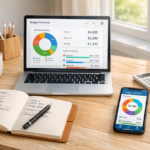
Record your expenses throughout the month. You can use a notebook, spreadsheet, or budgeting application.
Compare your actual spending with your planned budget.
Step 7: Review and Adjust Your Budget
At the end of each month, review your budget. Identify areas where you spent more or less than planned and make adjustments for the following month.
Monthly Budget Example
Suppose your monthly after-tax income is $2,500. You can use the following example to understand how a monthly budget works.
| Budget Category | Amount |
|---|---|
| Housing | $750 |
| Groceries | $350 |
| Transportation | $200 |
| Utilities and Internet | $150 |
| Healthcare | $100 |
| Savings | $400 |
| Debt Payments | $250 |
| Personal and Entertainment | $150 |
| Other Expenses | $150 |
| Total | $2,500 |
This is only an example. Your actual budget should depend on your income, household size, location, and financial responsibilities.
Best Tips for Managing Your Budget
Follow these practical tips to make your budget more effective.
1. Set Realistic Spending Limits
Do not create a budget that is too strict. Set spending limits that you can comfortably follow.
2. Avoid Unnecessary Purchases
Think carefully before buying items that are not essential. Avoid impulse shopping and unnecessary subscriptions.
3. Pay Bills on Time
Keep track of payment dates to avoid late fees and additional charges.
4. Build an Emergency Fund
Include emergency savings in your monthly budget so you are better prepared for unexpected expenses.
5. Use Budgeting Tools
Spreadsheets and budgeting applications can help you organize income, expenses, and savings.
6. Review Your Spending Regularly
Check your expenses every week or month to make sure you are following your financial plan.
7. Adjust Your Budget When Necessary
Your income and expenses may change over time. Update your budget whenever your financial situation changes.
Common Budgeting Mistakes to Avoid
Some mistakes can make it difficult to manage your money effectively.
- Forgetting to include small daily expenses.
- Setting unrealistic spending limits.
- Not tracking actual expenses.
- Ignoring irregular or annual bills.
- Spending more than your monthly income.
- Forgetting to include savings.
- Not adjusting your budget when income changes.
- Depending too much on credit cards or loans.
Avoiding these mistakes can help you maintain a more organized financial plan.
Budgeting Tools and Methods
You can manage your budget using different tools and resources.
1. Microsoft Excel
Excel allows you to create income and expense tables, calculate totals, and track monthly spending.
2. Google Sheets
Google Sheets is useful for creating online budgets that you can access and update from different devices.
3. Budgeting Applications
Budgeting apps can help you categorize expenses, monitor spending, and review your financial progress. Check their fees, privacy policies, and availability in your country before using them.
4. Notebook or Diary
A simple notebook can also help you record your daily expenses and monthly savings.
Budgeting vs. Saving Money
Budgeting and saving money are connected, but they have different purposes.
| Budgeting | Saving Money |
|---|---|
| Plans how you use your income. | Keeps money for future needs. |
| Tracks income and expenses. | Builds financial reserves. |
| Helps control spending. | Helps prepare for emergencies and goals. |
| Organizes your monthly finances. | Supports future financial security. |
Budgeting helps you create a plan, while saving helps you set aside money for future use.
Final Thoughts
Budgeting is a useful financial habit that helps you take control of your income and expenses. By creating a realistic monthly budget, tracking your spending, and setting clear savings goals, you can improve your money-management skills and work toward greater financial stability.
Start with a simple budget and update it as your financial needs change. Consistency and careful planning are the keys to successful budgeting.